Protecting interconnected nature and culture for a just, sustainable and resilient world
Biocultural heritage encompasses the inter-relationships between Indigenous Peoples, local communities, biodiversity and landscapes, that are vital for transformative change to address the nature, climate and food crises
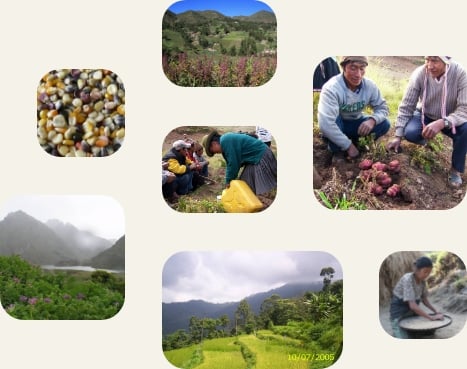
Biocultural heritage is the interconnected biodiversity and cultural heritage of Indigenous Peoples and local communities. It includes traditional knowledge and languages, biodiversity and landscapes, cultural and spiritual values and customary laws, that are interlinked and interdependent. It reflects the holistic worldviews and practices of Indigenous and traditional peoples.
Biocultural heritage vital for addressing local and global challenges is being rapidly lost. Traditional knowledge and languages are severely endangered across the world. Indigenous territories face growing pressure from unsustainable development and unjust conservation. Resilient Indigenous food systems and agrobiodiversity are being eroded.
Biocultural heritage provides a holistic framework for conservation and development centred on respectful and reciprocal human-nature relationships and human rights. It provides a tool for enhancing local resilience to climate change and other shocks, for strengthening resilient local economies and food systems, and for achieving multiple global goals.
Conserving and regenerating biocultural diversity and heritage is vital for tackling the interlinked nature, climate, food and health crises, and for transformation to a just and sustainable world, according to the Intergovernmental Platform on Biodiversity and Ecosystem Services (IPBES).
This website explores biocultural territories that conserve biodiversity, promote self-determination and protect territorial rights. It presents methods and tools for establishing biocultural territories and protecting rights over traditional knowledge, including: decolonising methodologies, community biocultural protocols, biocultural registers, biocultural economies and equitable access and benefit-sharing models.
Learn about bottom-up policies and laws that reflect the priorities and customary laws of Indigenous Peoples and local communities; and local, national and international laws that communities can use to strengthen rights over biocultural heritage and traditional knowledge.
Featured recently published news, articles and publications on biocultural heritage
A curated collection of publications, research, articles and partner recommendations. All focused on advancing the understanding and preservation of biocultural heritage